Sewer Camera Inspection in Torrance, CA
For the big bills · $59California Homeowner Plumbing Pack33 chapters, read online: sewer line kit · slab leak and insurance claim kit with 3 letters · month-by-month maintenance calendar · Price Book (17 jobs, 145 cities) · Water Heater Kit. What's insideOne payment of $59 · instant access, receipt by email · for California homeowners
Get the pack · $59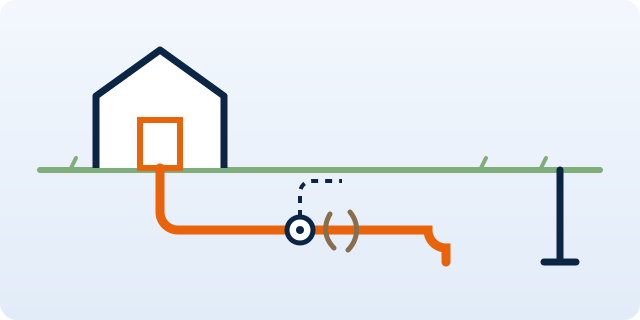
Every big sewer decision in Torrance should start on a screen. Homes built out during the 1950s–60s aerospace boom put clay or cast-iron laterals — plastic pipe only took over in the 1970s between the house and the street, and a recorded scope — with a footage counter to locate defects — is what separates a real problem from a sales pitch.
Statewide, sewer camera inspection typically runs $150–$600. In Torrance, licensed plumbers bill $100–$200 per hour with service-call fees of $75–$125 — flat-rate pricing is common for standard jobs, and the fee is usually credited when you approve the work. For the state-wide view, see the Sewer Camera Inspection cost guide.
What Torrance's homes mean for sewer camera inspection
The drain picture in Torrance follows the construction calendar. Block after block of well-kept postwar ranch homes, so clay or cast-iron laterals — plastic pipe only took over in the 1970s dominate the service records — and the repair playbook (cabling, jetting, lining, replacement) is priced against exactly that pipe generation.
- With slab foundations the default in Torrance, plumbers plan around the concrete: overhead reroutes, epoxy lining and pipe bursting all exist to avoid opening the floor.
- With slab-on-grade in most tracts of that vintage, under-floor drain problems in Torrance get solved around the concrete: cleanout access, cameras and trenchless techniques do the heavy lifting.
What moves sewer camera inspection pricing
- Whether a recording is provided
- Access through cleanout vs pulled toilet
- Stand-alone vs bundled with cleaning
- Access: slab construction in Torrance can add concrete or reroute work
Need a plumber you can trust?
Two minutes to describe the problem, and a licensed plumber serving Torrance calls you back to price your sewer camera inspection job. Free, no strings.
Get free quotesFrequently asked questions
What kind of drain pipes should I expect in Torrance?
Torrance is built out during the 1950s–60s aerospace boom — block after block of well-kept postwar ranch homes — so the typical answer is clay or cast-iron laterals — plastic pipe only took over in the 1970s. Those materials age at the joints: roots, offsets and sags are what cameras find, and what repair budgets should anticipate.
What does the camera actually find?
The classics: root intrusion at clay pipe joints, grease buildup, bellies (sags holding water), offset joints from soil movement, and cracked or collapsed sections. The operator should show you live and give you a recording.
Related services in Torrance
 Drain Cleaning
 Hydro Jetting
 Sewer Line Repair & Replacement
Go deeper
- Plumbing Inspection Before Buying a Home: What to Check and Why
- Trenchless Sewer Repair in California: CIPP Lining vs Pipe Bursting vs Dig