Slab Leak Repair in Burbank, CA
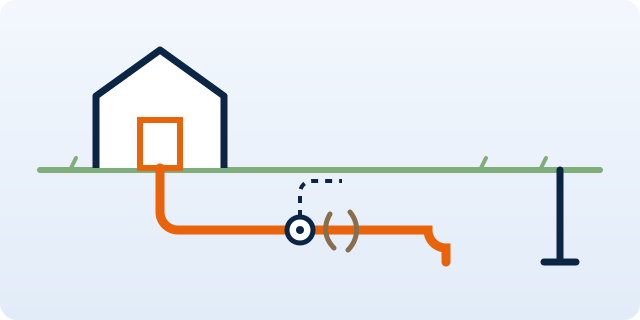
Almost every Burbank slab leak gets two competing bids: break the concrete at the leak, or abandon that run and reroute overhead. With galvanized supply piping — copper only became the norm around 1960 under a mix of raised foundations and early slab-on-grade, the reroute is often the smarter money — and the first leak is a warning about the rest of the loop.
Statewide, slab leak repair typically runs $500–$4,000. In Burbank, licensed plumbers bill $100–$200 per hour with service-call fees of $75–$125 — flat-rate pricing is common for standard jobs, and the fee is usually credited when you approve the work. For the state-wide view, see the Slab Leak Repair cost guide.
What Burbank's homes mean for slab leak repair
Pipe age is destiny in Burbank: small prewar and postwar homes on the flats, hillside houses above, carrying galvanized supply piping — copper only became the norm around 1960, over a mix of raised foundations and early slab-on-grade. That combination decides everything from where leaks appear to whether a reroute beats opening concrete.
- The crawl spaces under Burbank's older homes are a plumbing blessing: supply, drain and gas lines stay reachable without opening concrete, which keeps repair bills down.
- Galvanized-era plumbing survives in Burbank's older housing; once it starts restricting flow, section fixes buy time but a repipe is the honest endgame.
What moves slab leak repair pricing
- Repair strategy: spot fix, reroute, or repipe
- Flooring over the leak (slab access vs reroute)
- Leak detection cost, often credited
- Access: slab construction in Burbank can add concrete or reroute work
Need a plumber you can trust?
Two minutes to describe the problem, and a licensed plumber serving Burbank calls you back to price your slab leak repair job. Free, no strings.
Get free quotesFrequently asked questions
What pipe material do Burbank homes have?
Most of the stock here was built in the 1940s and 1950s, which means galvanized supply piping — copper only became the norm around 1960. Original galvanized lines from that era are at or past end of life; weak flow and discolored water are the classic signs.
Why do slab leaks happen so much in California?
Millions of postwar homes were built slab-on-grade with soft copper in or under the concrete. Decades of water chemistry, abrasion at contact points and expansive-soil movement eventually wear lines through — hot lines first.
Related services in Burbank
 Leak Detection
 Whole-House Repiping
 Water Heater Repair
Go deeper
- Slab Leaks in California: Warning Signs, Causes & Repair Options
- Water Damage Insurance Claims in California: What's Covered