Why Is My Water Bill So High? Finding Hidden Leaks in a California Home
For the big bills · $59California Homeowner Plumbing Pack33 chapters, read online: sewer line kit · slab leak and insurance claim kit with 3 letters · month-by-month maintenance calendar · Price Book (17 jobs, 145 cities) · Water Heater Kit. What's insideOne payment of $59 · instant access, receipt by email · for California homeowners
Get the pack · $59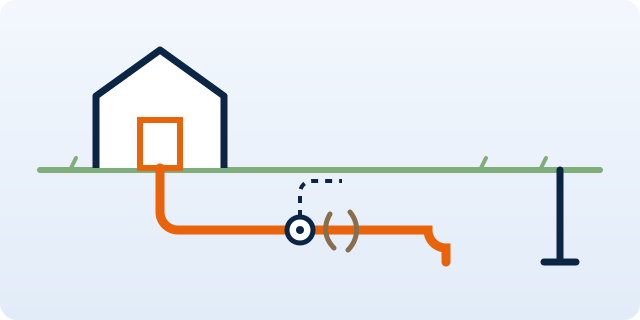
A water bill that suddenly doubles with nobody in the house using more water is one of the most common reasons Californians call a plumber — and it's rarely a billing mistake. According to the EPA's WaterSense program, the average American household loses more than 9,000 gallons a year to leaks that are never seen, only paid for, and about 1 in 10 homes has a leak severe enough to waste 50+ gallons a day. In a state where the average monthly water bill already runs among the highest in the country, that kind of leak shows up fast on the statement. Here's how to confirm you actually have one, where it's most likely hiding, and what it typically costs to find and fix.
Step one: rule out a rate change or a real usage increase
Before assuming a leak, check the obvious: did your water district raise rates, did billing move from a flat to a tiered structure, or did household usage genuinely go up (guests staying over, a new pool, more laundry, outdoor watering season starting)? Most California water bills include a usage graph comparing the current period to prior months — if usage itself didn't rise but the dollar amount did, that's a rate story, not a leak story, and no plumber can fix it. If gallons used jumped with no explanation, move to the meter test below.
The meter test: a free 30-minute diagnosis
Every home's water meter has a simple built-in leak indicator, and reading it takes no tools:
- Turn off every fixture and appliance that uses water — no dishwasher, no laundry, no irrigation, nobody flushing.
- Find your meter, usually in a curbside box near the sidewalk or property line, and locate the small triangular or star-shaped leak indicator dial, or note the exact digit reading if your meter doesn't have one.
- Wait 30-60 minutes without using any water, then check again. A spinning indicator, or digits that moved, means water is flowing somewhere in the system with everything supposedly off — a leak on your side of the meter.
This test only tells you a leak exists, not where. For that, the next step is narrowing down which system it's in.
The most common hidden culprits, ranked by frequency
Plumbers see the same short list of causes behind most "mystery" high bills:
- A running or slowly leaking toilet is by far the most common cause and the cheapest to fix. A worn flapper or a fill valve that doesn't fully shut can silently waste hundreds of gallons a day without ever overflowing or making an obvious sound. Drop a few drops of food coloring in the tank and check the bowl 15 minutes later without flushing — color in the bowl means the tank is leaking past the flapper. Our toilet running guide covers the fix, and most repairs run well under $250 — see the toilet repair cost guide.
- An irrigation system with a cracked line, a stuck valve, or a broken sprinkler head buried under mulch can run for hours before anyone notices standing water, especially on a controller set to water overnight while everyone's asleep.
- A water heater with a failing pressure-relief valve or a slow tank leak can waste water continuously — check for pooling at the base and see our water heater repair cost guide if you find one.
- A slab leak — a supply line leaking under or inside the concrete foundation, common in the pre-1980s slab-on-grade homes that make up much of California's housing stock. These often show up as warm spots on flooring (if it's the hot line) long before any visible water appears. Our guide to slab leak signs, causes and repair covers what to look for and what repair options cost.
- A failing water service line between the meter and the house, which can leak underground for months, showing up as a soggy or unusually green patch of lawn along its path.
What a leak like this actually costs you
The math is worth doing before you decide the repair "isn't worth it." A toilet running continuously can waste 200 gallons or more a day; even a modest slab or irrigation leak flowing at a steady drip can add up to thousands of gallons a month. At California's typical residential rates, that routinely adds $30-$150 or more to a single billing cycle — and tiered rate structures common across the state mean a leak can also bump your entire household into a higher-priced usage tier, inflating the cost of water you're using normally, not just the water that's leaking. A repair that costs $150-$400 for a toilet, or $1,500-$4,000 for a slab leak, often pays for itself within one or two billing cycles once the leak has been running a while.
When you can't find it yourself
If the meter test confirms a leak but nothing is visibly wrong — no wet spots, no running toilet, no obvious irrigation break — it's time for professional leak detection. A technician uses acoustic listening equipment, thermal imaging, or tracer gas to pinpoint a leak's exact location, typically for $150-$600, often credited toward the repair if you hire the same company. That's far cheaper than guessing and opening walls or flooring at random, and it gives you documentation that can matter if you end up filing an insurance claim — most homeowner policies cover sudden, accidental water damage more readily than damage from a leak that's clearly been running for months.
A quick habit that catches leaks early
Most water districts in California let you view daily or hourly usage online through your utility account, and a growing number offer free leak alerts that text or email you when usage spikes overnight while nobody should be using water. Checking that dashboard occasionally, alongside the old-fashioned meter test after any bill that looks off, is the cheapest leak-detection tool available — free, and faster than waiting for the next statement to confirm something's wrong. Californians already thinking about water efficiency more broadly may also want our guide to drought-smart plumbing, which covers leak fixes alongside rebates and greywater options.
Confirmed a leak with the meter test but can't find the source? Describe what you're seeing on Plumber Comparator and request your free quote — a licensed local plumber, whether you're in Fresno, San Jose, or anywhere else in California, can run a professional leak detection and fix it before another billing cycle passes.
Need a plumber you can trust?
Tell us about the job — a licensed California plumber gets back to you with a real quote.
Get free quotes